
Understanding SEO – Search Engine Optimization Explained
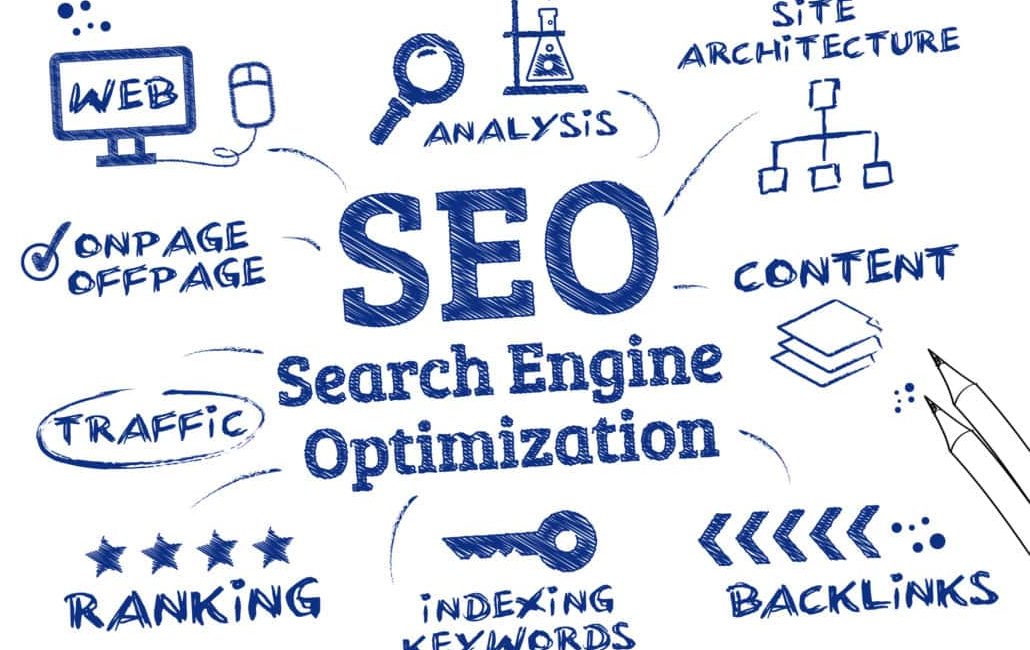
SEO, short for search engine optimization, is the art and science of enhancing your website’s visibility on search engines like Google and Bing. The goal is simple: to ensure that when potential customers or users search for products, services, or information related to your business, they find your website among the top results.
Why SEO Matters
SEO is crucial because it drives organic traffic to your website, which accounts for a significant portion of overall web traffic. In fact, organic search results generate 53% of all website visits. This makes SEO a cornerstone of digital marketing strategies, delivering sustainable results compared to paid advertising or social media.
Types of SEO
Technical SEO: Focuses on optimizing the technical aspects of your website to ensure search engines can crawl, index, and understand your content efficiently. Elements include site architecture, mobile-friendliness, site speed, and structured data.
On-site SEO: Involves optimizing your website’s content to make it relevant and appealing both to users and search engines. This includes keyword optimization, content quality, meta tags, and internal linking.
Off-site SEO: Involves building your website’s authority and reputation through external factors such as backlinks, social media engagement, and online reviews. It enhances your website’s credibility and trustworthiness in the eyes of search engines.
How SEO Works
SEO operates through a blend of strategic planning, technical implementation, and continuous monitoring and improvement:
Understanding Search Engines: SEO begins with understanding how search engines crawl, index, and rank websites based on various algorithms. This knowledge helps in optimizing your site to meet search engine requirements effectively.
Researching: Key research activities include identifying your target audience, conducting keyword research to understand search demand, analyzing competitors’ strategies, and auditing your website for SEO opportunities and issues.
Planning: Developing an SEO strategy involves setting clear goals, defining KPIs, outlining tactics for implementation, and allocating resources effectively. It serves as a roadmap to guide your SEO efforts towards achieving measurable outcomes.
Creating and Implementing: Implementing SEO involves creating high-quality content, optimizing existing pages, and ensuring technical enhancements are in place. It’s about aligning your content with user intent and search engine algorithms.
Monitoring and Maintaining: Continuous monitoring helps detect and address issues promptly, such as technical errors, traffic fluctuations, or changes in search engine algorithms. Regular audits and performance analysis ensure ongoing optimization.
Analyzing and Reporting: Measuring SEO performance through analytics tools provides insights into traffic trends, keyword rankings, and user behavior. It informs decision-making and helps refine SEO strategies for better results over time.
SEO Specialties
SEO encompasses various specialized fields tailored to different business needs:
Ecommerce SEO: Focuses on optimizing online stores for higher visibility and conversions.
Enterprise SEO: Manages SEO at scale for large organizations with extensive digital footprints.
International SEO: Targets multilingual and multiregional audiences across global markets.
Local SEO: Enhances visibility in local search results to attract nearby customers.
News SEO: Optimizes content for rapid indexing and visibility in news search results.
How to Learn SEO
To master SEO, continuous learning and hands-on experience are essential:
Stay updated with the latest SEO news, trends, and best practices through reputable sources and industry events.
Experiment with SEO tactics on personal or test websites to understand their impact firsthand.
Leverage resources like Google’s SEO starter guide and search quality evaluator guidelines for foundational knowledge.
SEO plays a pivotal role in driving organic traffic, enhancing brand visibility, and achieving long-term business success online. By understanding and implementing SEO best practices across technical, on-site, and off-site dimensions, businesses can effectively attract, engage, and convert their target audience through search engines.